What Is a Transitional Living Program? How Young People Build Life Skills for Adulthood

For most young people, the journey to adulthood happens gradually. Parents answer late-night phone calls, offer advice on managing money, celebrate milestones and provide a safety net when mistakes happen. But for many youth in foster care or unstable living situations, that safety net simply doesn’t exist.
Without consistent guidance and support, the transition to adulthood can feel overwhelming. That’s where transitional living programs make a life-changing difference. As a supportive place to live, they provide stability, trusted relationships and practical life skills that help young people build confidence as they prepare for independent adulthood.
At KVC West Virginia, the Transitional Living for Vulnerable Youth (TLVY) Home gives young women the opportunity to grow, learn and discover what’s possible when they have people who believe in them.
Why Transitional Living Matters for Teens
Youth aging out of foster care, or even those who simply do not have a strong support system, face several challenges that many other teens don’t need to grapple with. The sudden loss of services and guidance can lead to an increased risk of homelessness, unemployment and create barriers to higher education.
These youth suddenly have to navigate complex adult systems that no one has prepared them for, all without the emotional and financial safety of a stable home environment.
Transitional living combats these challenges by providing youth with the skills and support they need to succeed as adults. While at its core, transitional living homes are a form of housing, the purpose goes beyond room and board.
TLVY Program Manager Amber Goldizen explains that the needs of youth extend beyond just a place to stay.
“They need consistent guidance. They need a clear path forward,” says Goldizen.“Our transitional living program provides the stability and skill-building opportunities that help young people move into adulthood with confidence and structure and support.”
What is the Transitional Living for Vulnerable Youth Program?
The Transitional Living for Vulnerable Youth (TLVY) program provides a stable, supportive home where young women can grow, build life skills and stay on track as they prepare for adulthood. This program is designed for female youth ages 16-21 who are preparing for independence and would benefit from this kind of supportive stability, routine and coaching.
What makes the TLVY program unique is the partnerships that allow for greater focus on education. Through our partnership with Fairmont State University in tandem with the West Virginia Department of Education, Diversion and Transition, youth in TLVY have direct access to the Middle College program. This program allows youth to complete their high school requirements while earning college credits, empowering them to earn an Associate’s degree at the same time as their high school diploma.
Inside the Home: Safety, Routines and Support
 A typical day at the TLVY home is equal parts structured and supportive. In the morning, residents wake up and tidy their rooms before getting ready and heading to the kitchen to make breakfast. Staff support residents as they make breakfast and gather everything they need before heading to Fairmont for Middle College coursework.
Throughout the entire day, TLVY residents have guidance and support. At Middle College, teachers are available to help with both high school and college coursework. At the home, staff are present 24/7 to help wherever they are needed. This supportive approach is people-first and strengths-based, providing residents with individualized guidance in a safe, home-like environment.
“We meet each young woman where she is and help her work on her personal goals,” says Goldizen. “When they’re in a consistent, supportive environment, they’re able to focus on their educational and personal growth.” This approach gives residents a sense of support while still allowing them to practice their independence. This is similar to the balance one might receive in college housing.
After returning home from Middle College, residents complete daily chores and life skills development, from household management to financial literacy. Everyone has free time to watch TV or pursue hobbies in the evening, and the staff often hosts outings to see movies, get ice cream or attend fun community events. These are moments to get connected, to laugh and to know what it feels like to belong.
These routines and rhythms help keep the household running, but it’s about more than that. They’re about helping young women experience the consistency and confidence that many have never had before.
How Transitional Living Helps Teens Build Life Skills and Confidence
 Life skills training is one of the more unique aspects of this program compared to other shared living or academic support programs.
The TLVY staff help residents develop a wide breadth of skills they will need for adulthood, including:
- Household management: Washing dishes, doing laundry, cleaning the home
- Meal planning: Grocery shopping, cooking simple meals, preparing a meal plan
- Financial literacy: Banking, budgeting, taxes, applying for FAFSA (Free Application for Student Aid)
- Health and wellness care: Making appointments, communicating with doctors, personal hygiene
- Transportation and housing readiness: Acquiring a driver’s license, learning to change a tire, applying for a lease
- Communication: Creating boundaries, self-advocating, conflict resolution
Many youth in the TLVY program have simply never been given a chance to learn the life skills integral to adulthood. Goldizen emphasizes the value of teaching these skills to build confidence in an environment where it is safe to fail and try again.
“Over time, they begin to trust themselves, develop resilience and form meaningful relationships with peers and mentors,” she says. “They begin to feel that they belong to a community where they are valued and supported.”
The Role of Supportive Adults for Teens Transitioning to Adulthood
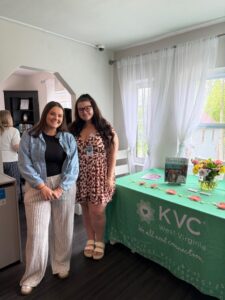
Staff and mentors at the TLVY home are not supervisors or disciplinarians. Their job is to build relationships with the residents and provide the consistency, encouragement and accountability that these young women may not have consistently experienced for most of their lives. This mentorship focus provides residents with models of healthy behavior and a trusted adult who can help them navigate challenges and learn to believe in themselves.
It is not uncommon for youth transitioning out of foster care to have been told that they lack motivation. They may have never had an adult who truly believed in them before coming to the TLVY home.
What encourages our staff every day at the TLVY home is how they see the opposite: young women who are motivated to succeed and just need help learning how to do it. Goldizen says that youth who are working on graduating from high school, all while getting college credit, inherently have the motivation so many assume they don’t. “Many traditional college students have issues when they get away from their parents and onto a college campus,” she explains. “Our youth here are working hard. They go to school Monday through Friday and are doing amazing. There is no lack of motivation if that’s what they’re doing on a daily basis.”
Hope for the Future of West Virginia’s Youth
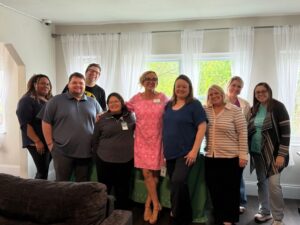
When given trust, support and opportunity, it is remarkable what young people can accomplish. Young women participating in the Transitional Living for Vulnerable Youth program are being given the opportunity to enter adulthood with confidence, strong relationships and real pathways to education and employment. They’re breaking through barriers and generational patterns, overcoming the stigmas of past experiences and challenges and becoming inspiring, confident adults.
If you know of a young woman in West Virginia who may benefit from the TLVY program, please submit a referral.
