Your Guide to the Home Study Process for Foster Care and Adoption

What Is a Foster Care Home Study in West Virginia?
If you’re considering foster care or adoption in West Virginia, you may have heard about the home study process — and it’s normal to have questions. At KVC, we believe every child and teen deserves to feel safe and connected to a caring adult. Opening your home is a meaningful decision, and the home study is designed to support you every step of the way.
Rather than a test to pass, the home study is a collaborative process. It’s an opportunity for you to prepare your home, reflect on your inner strengths and build a strong foundation for your journey as a foster or adoptive parent.

What Is a Home Study For?
A home study is a required step for anyone pursuing foster care or adoption. It serves several important purposes:
Evaluation and Safety
The home study helps ensure that children and teens entering a home are safe and supported in a suitable environment. This includes reviewing the home for safety and learning more about the household.
Education and Preparation
The process helps prospective foster parents understand what to expect and how to prepare for caring for children and teens.
Thoughtful Connection
Information gathered during the home study helps KVC thoughtfully connect you with children and teens whose needs align with your strengths and experience.

What Happens During a Home Study?
The home study includes both home visits and conversations with your household. It is an ongoing process, typically involving at least four visits.
During this time, your KVC Home Finder (staff role focused on finding, recruiting, and matching foster homes for children and teens in care) will:
- Walk through your home to review safety and readiness
- Talk with each household member about daily life, background and support systems
- Review documentation and answer your questions
This process is designed to support you — not to evaluate perfection, but to help you feel prepared and confident.
Home Study Requirements in West Virginia
As part of the home study process, your home will need to meet several safety and licensing requirements. Your KVC Home Finder will guide you through each step.
Home Safety Requirements
- Mobile homes must have been manufactured after 1976 (proof required)
- At least two exits in the home
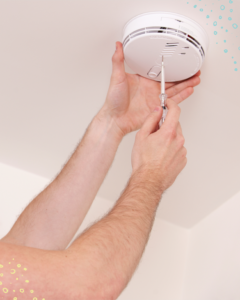
- Working smoke detectors on each floor
- Carbon monoxide detector (if applicable)
- 5-pound ABC fire extinguisher in the kitchen
- Flashlights and first aid supplies are accessible
- Water heater with a safety valve
- 20-amp fuse or circuit breaker
Bedroom & Living Space Requirements
Each child or teen must have their own bed
- Children over age 2 cannot share a room with an adult
- Bedrooms must have a window
- Bathrooms must have a window or a ventilation fan
- Bedrooms and bathrooms must have doors for privacy
Health & Safety Practices
- Medications must be stored in a locked container
- Cleaning supplies and hazardous materials must be secured
- Weapons and ammunition must be locked separately at all times
- Homes with water wells must provide safe water test results
General Household Requirements
- A working telephone must be available
- An escape ladder is required for upstairs bedrooms
What’s Included in the Home Study Report?
Your Home Finder will gather information to better understand your household and how to support you. This includes:
- Background: Personal references and background checks
- Finances: Employment, income and financial stability
- Home Environment: Your living space and neighborhood
- Family Life: Daily routines, caregiving experience and reasons for fostering
 How to Prepare for a Home Study in West Virginia
Preparing for a home study doesn’t mean having a perfect home or all the answers. It’s about being open, prepared and ready to learn.
Start with Home Safety Basics
- Check that smoke detectors and fire extinguishers are in place
- Safely store medications and hazardous items
- Ensure each child or teen will have their own bed and space
Gather Important Documents Early
- Identification and proof of income
- Medical forms and background checks
- Personal references and household information
Reflect on Your Strengths and Support System
- Why you want to foster
- Your caregiving experience
- Your support network
Stay Engaged and Ask Questions
Your KVC team is here to guide you, answer questions and provide support throughout the process.
 Requirements to Become a Foster Parent in West Virginia
In addition to the home study, there are general requirements to become a foster parent.
- Be at least 18 years old
- Be financially stable and able to meet your household’s needs
- Complete required training (minimum 30 hours)
- Provide medical information and background checks for household members
- Have reliable transportation and valid documentation
- Submit references and required paperwork
If you’re unsure about your eligibility, KVC can help answer your questions.
Ready to Foster or Adopt in West Virginia
As of January 2026, more than 5,900 children and teens in West Virginia are in foster care. Many need safe, supportive homes while they work toward reunification or another permanent outcome.
If you feel called to support children and families, KVC West Virginia is here to walk alongside you.
Learn more about becoming a foster parent or connect with our team today.
